Sort, plan, corral, label. The method that makes it hold. ͏ ͏ ͏ ͏ ͏ ͏ ͏ ͏ ͏ ͏ ͏ ͏ ͏ ͏ ͏ ͏ ͏ ͏ ͏ ͏ ͏ ͏ ͏ ͏ ͏ ͏ ͏ ͏ ͏ ͏ ͏ ͏ ͏ ͏ ͏ ͏ ͏ ͏ ͏ ͏ ͏ ͏ ͏ ͏ ͏ ͏ ͏ ͏ ͏ ͏ ͏ ͏ ͏ ͏ ͏ ͏ ͏ ͏ ͏ ͏ ͏ ͏ ͏ ͏ ͏ ͏ ͏ ͏ ͏ ͏ ͏ ͏ ͏ ͏ ͏ ͏ ͏ ͏ ͏ ͏ ͏ ͏ ͏ ͏ ͏ ͏ ͏ ͏ ͏ ͏ ͏ ͏ ͏ ͏ ͏ ͏ ͏ ͏ ͏ ͏ ͏ ͏ ͏ ͏ ͏ ͏ ͏ ͏ ͏ ͏ ͏ ͏ ͏ ͏ ͏ ͏ ͏ ͏ ͏ ͏ ͏ ͏ ͏ ͏ ͏ ͏ ͏ ͏ ͏ ͏ ͏ ͏ ͏ ͏ ͏ ͏ ͏ ͏ ͏ ͏ ͏ ͏ ͏ ͏ ͏ ͏ ͏ ͏ ͏ ͏
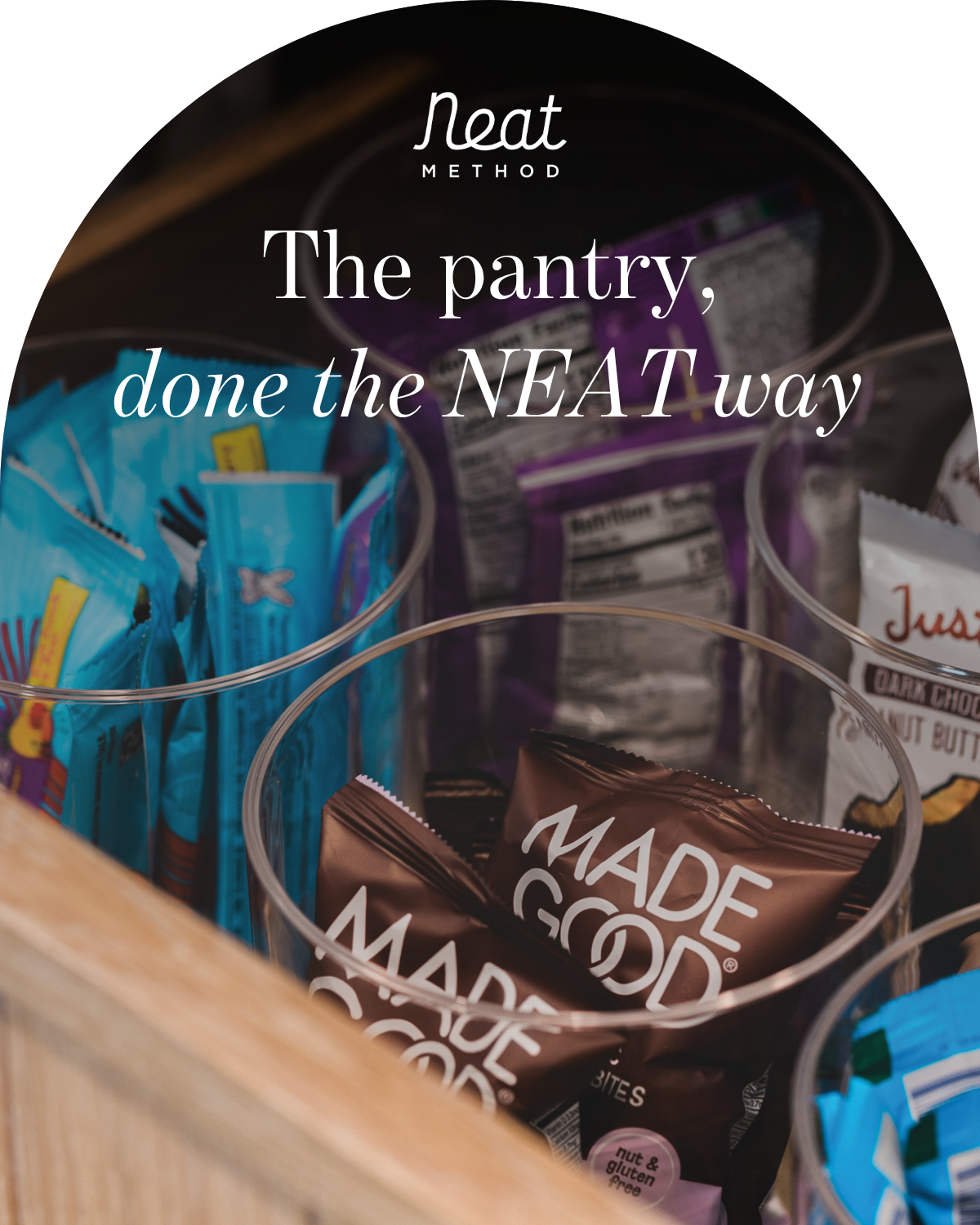
A pantry that works isn't just one where everything fits. It's one with a snack station a kid can reach without asking. A grab-and-go shelf that makes a busy morning feel manageable. A dinner prep section that doesn't require a full reorganization every time people come over.
That kind of pantry doesn't happen by accident. It gets built. Here's the NEAT way.
|
|
|
|
|
step 1: sort and edit first
|
|
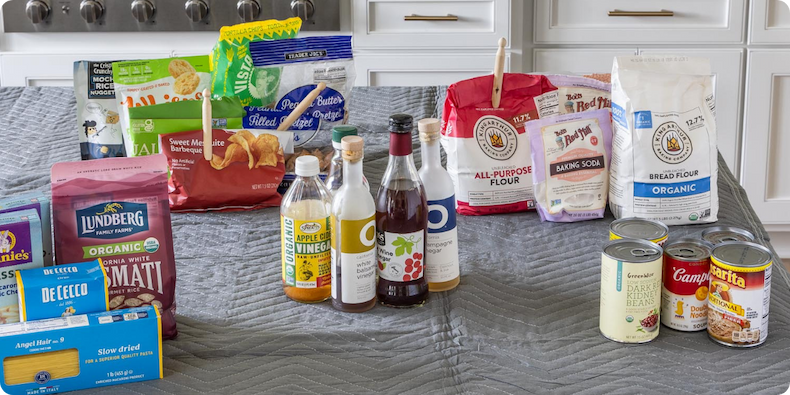
Before a single bin goes in, take everything out. All of it. What's expired, what's duplicated, what ended up here because it had nowhere else to go?
This is the step that changes what the pantry becomes. A thorough edit means you're only building a system around what actually belongs there, and you'll know exactly what you're working with before you make a single decision about products.
NEAT Tip: If you have three of something because you keep buying it when you can't find it, that's not a shopping problem; it’s a system problem.
|
|
step 2: space plan before you shop
|
|
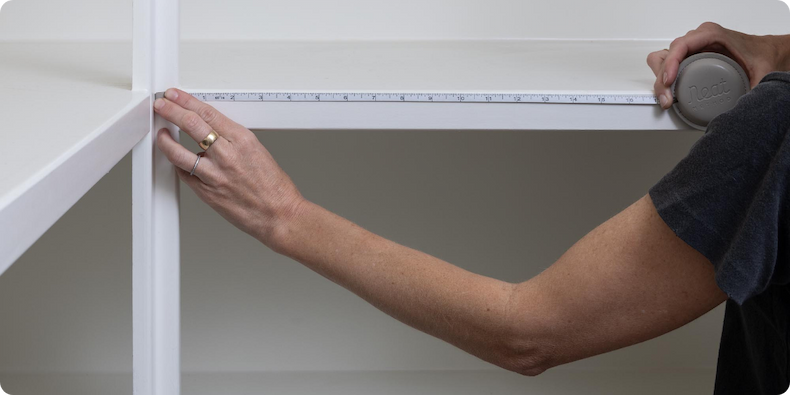
Once you've edited, measure what you're working with. Shelf depth, shelf height, the width of each run. Then think about how your pantry needs to work this season.
Zone for summer first. A snack station at a reachable height — something anyone in the household can get to with ease. A grab-and-go shelf for the mornings that don't slow down. A hosting zone for the things that come out more often when the calendar fills up. Everyday staples at eye level, bulk and backup below.
|
|
step 3: corral with the right products
|
|
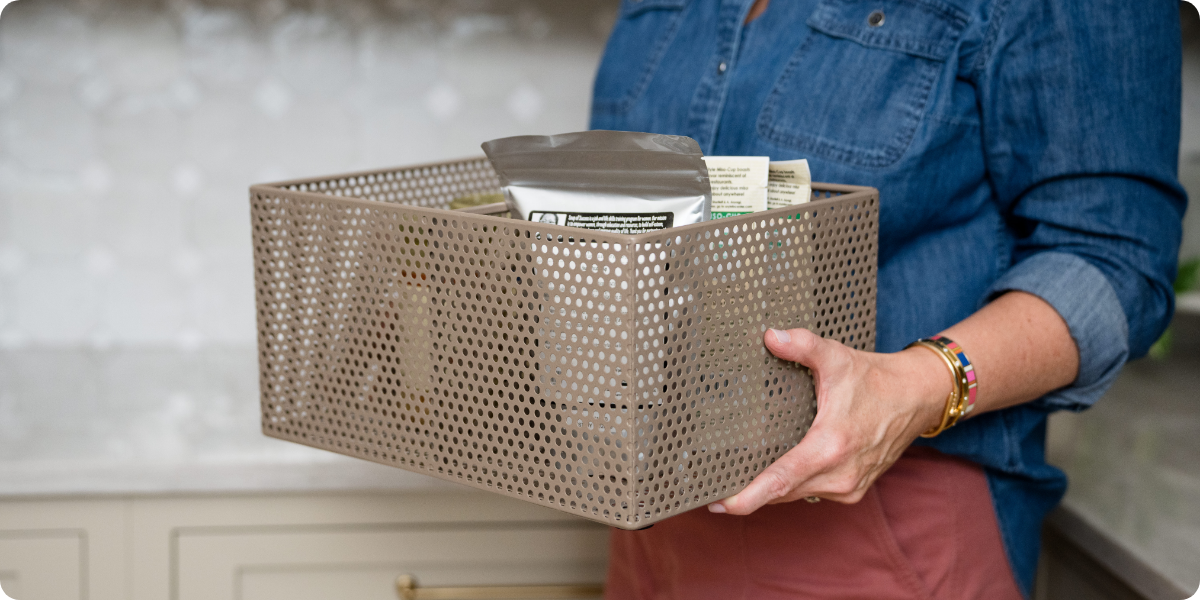
The goal here is containment and visibility — systems that group like with like and make it obvious when an item's running low. A well-organized pantry draws from a few categories working together:
- Bins and baskets for grouping categories and corralling loose items
- Canisters and airtight containers for dry goods that deserve a proper home
- Turntables for deep shelves and corner spaces where things disappear
- Drawer organizers for the small things — packets, tools, the things that migrate
- Shelf risers for stacking what would otherwise hide behind itself
The right combination is different for every pantry and every season — which is exactly why we built a tool to help you figure out what yours needs this summer. Pick the size and aesthetic you like, and we'll point you toward a system that fits how you actually live right now.
|
|
step 4: label what's stored
|
|
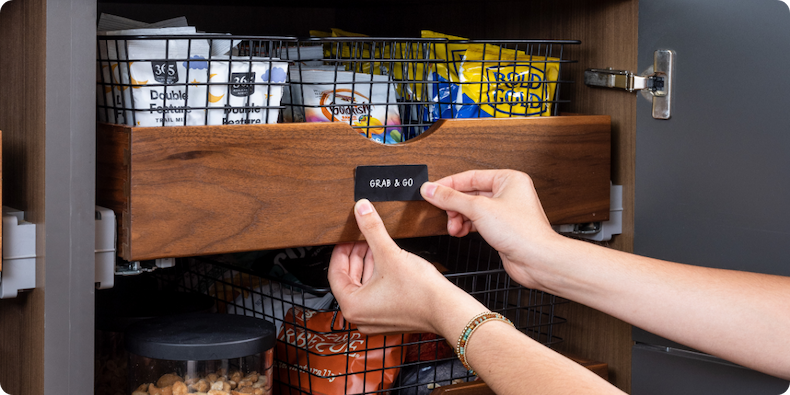
A label isn't just for you — it's for everyone else who uses the space. It's what turns a system you built into a system that holds, even on the weeks when you're not the one putting things away.
Label the bins, the canisters, the zones. Keep it simple. Consistent labeling is the difference between a pantry that gets maintained and one that has to be rebuilt every few months.
|
|
|
|
|
NEAT Method
1010 S Industrial Blvd Building B Euless, Texas 76040
© 2026 | All rights reserved.
Unsubscribe
|
|
|
|
|



No comments:
Post a Comment